Yes – but only when they are considered reasonable and necessary.
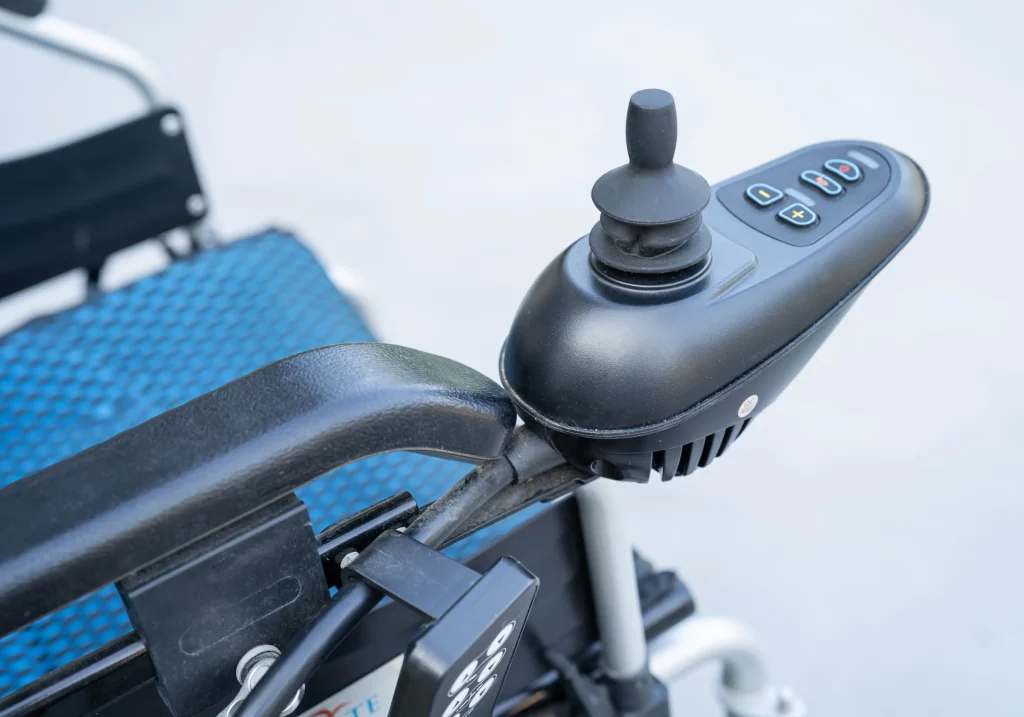
Mobility scooters are funded under Assistive Technology (AT) and are typically classified as mid-cost or high-cost AT, depending on the price and complexity of the equipment.
What the NDIS Looks For
To approve funding, the NDIS must determine that the scooter is necessary, safe, and appropriate for your situation. Your NDIS plan should include goals related to improving community access, increasing independence outside the home, or reducing reliance on others for mobility.
An Occupational Therapist (OT) is usually required to assess your physical ability to safely operate a mobility scooter, evaluate the environments where it will be used, and recommend the most suitable model. The NDIS will also ensure the scooter represents value for money and includes only the features required to meet your needs, rather than unnecessary upgrades. In some cases, if the equipment is primarily for medical rehabilitation inside the home, responsibility may fall under the health system rather than the NDIS.
Mobility scooters are not considered low-cost Assistive Technology. Basic or smaller scooters may fall under mid-cost AT, while larger or specialised scooters are typically classified as high-cost AT. High-cost AT usually requires a comprehensive Occupational Therapist assessment, trials and comparisons of different models, multiple quotes, and sometimes an assessment of your home and community environment.
Once approved, the funding is allocated within the Assistive Technology budget of your NDIS plan.
Getting Assessed
An OT assessment evaluates your mobility needs and how you intend to use the scooter in daily life, such as attending appointments, running errands, or accessing the community. The assessment also considers safe operation, the advantages of using a scooter compared to alternative supports, and justification of cost. This assessment is a key requirement for NDIS approval.
Does the NDIS fund accessories and repairs?
In many cases, the NDIS may fund essential accessories and ongoing support required to safely operate your mobility scooter. This can include batteries, chargers, baskets, repairs, maintenance, and replacement after a reasonable lifespan, depending on your plan and circumstances.
Storage, ramps, and charging solutions
If additional equipment is required to safely use and store your mobility scooter, the NDIS may provide funding for secure storage, access ramps, or appropriate charging solutions. Evidence is generally required to demonstrate that these supports are necessary for safe and practical use.
Contact us for assistance
If you need assistance understanding NDIS mobility funding, our team can guide you through the process, help you prepare the required documentation, and support you in selecting the right mobility solution for your needs.